The Spring Switchover: How to Safely Transition to Cooling in Asheboro
As the North Carolina spring settles in, we reach the point where the furnace is no longer needed, but the humidity makes air conditioning a necessity. Simply flipping the switch from "Heat" to "Cool" can put sudden stress on a system that has been dormant for six months. Following a systematic startup sequence protects your compressor and ensures your indoor air quality remains high from the very first cycle.
By Jordan Heating and Air
Serving Central North Carolina Since 1928
TL;DR ESTIMATED READING TIME: 2 MIN
This post provides a technical checklist for Asheboro homeowners transitioning their HVAC systems to cooling mode. It applies to all central air and heat pump systems. You should inspect your outdoor unit and change your filters before the first 80-degree day to prevent emergency repairs.
Preparing the Outdoor Environment
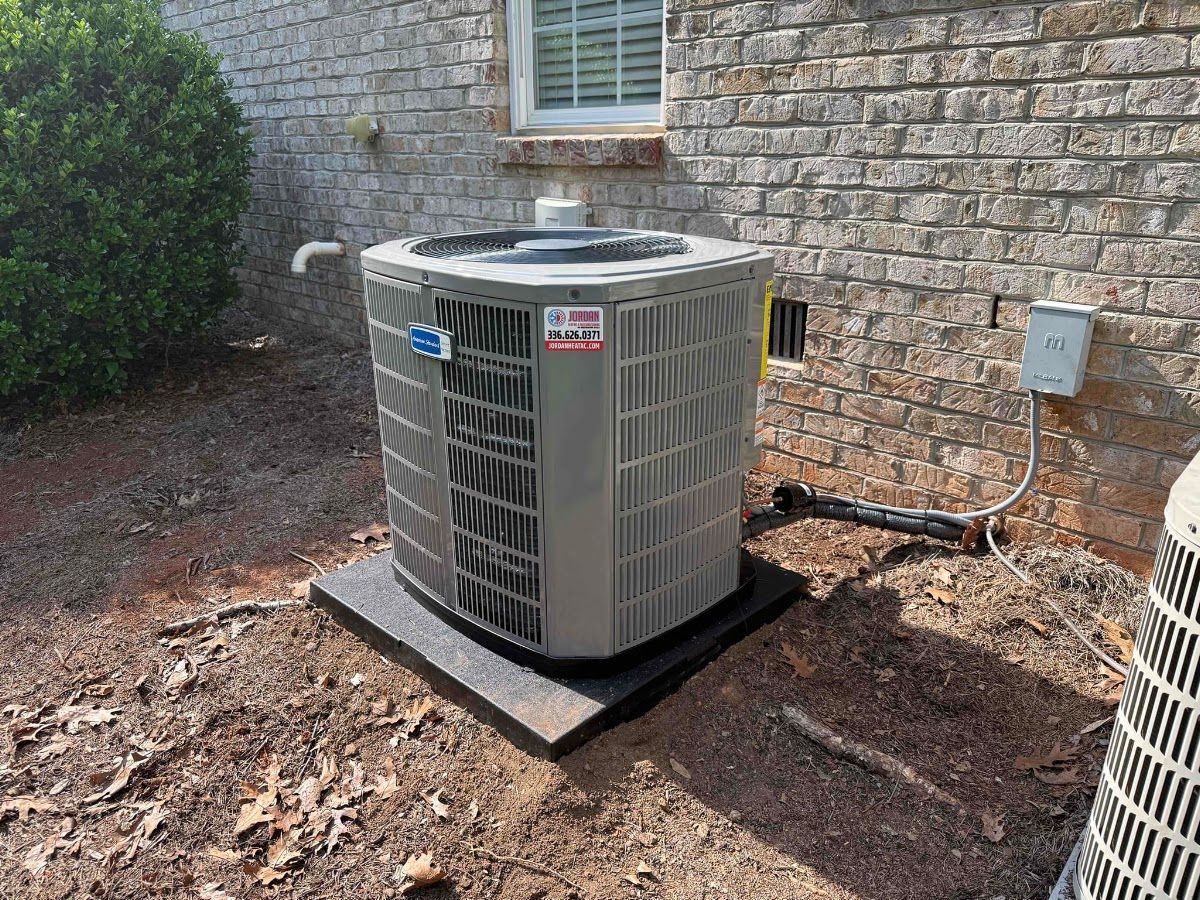
Your outdoor condenser has likely collected leaf litter and debris throughout the winter. Before you engage the cooling mode, you must ensure the unit has at least 24 inches of clear space on all sides for proper heat rejection. You can visit our Air Conditioning Repair page to see the most common issues found during spring startups. Restricted airflow causes the compressor to run at higher temperatures, which significantly shortens its lifespan and increases your utility costs. If you notice flattened aluminum fins on the coil, these should be straightened to maintain optimal heat exchange. For a professional inspection of your system's exterior components, you can Schedule Service before the summer rush begins.
Critical Startup Checklist
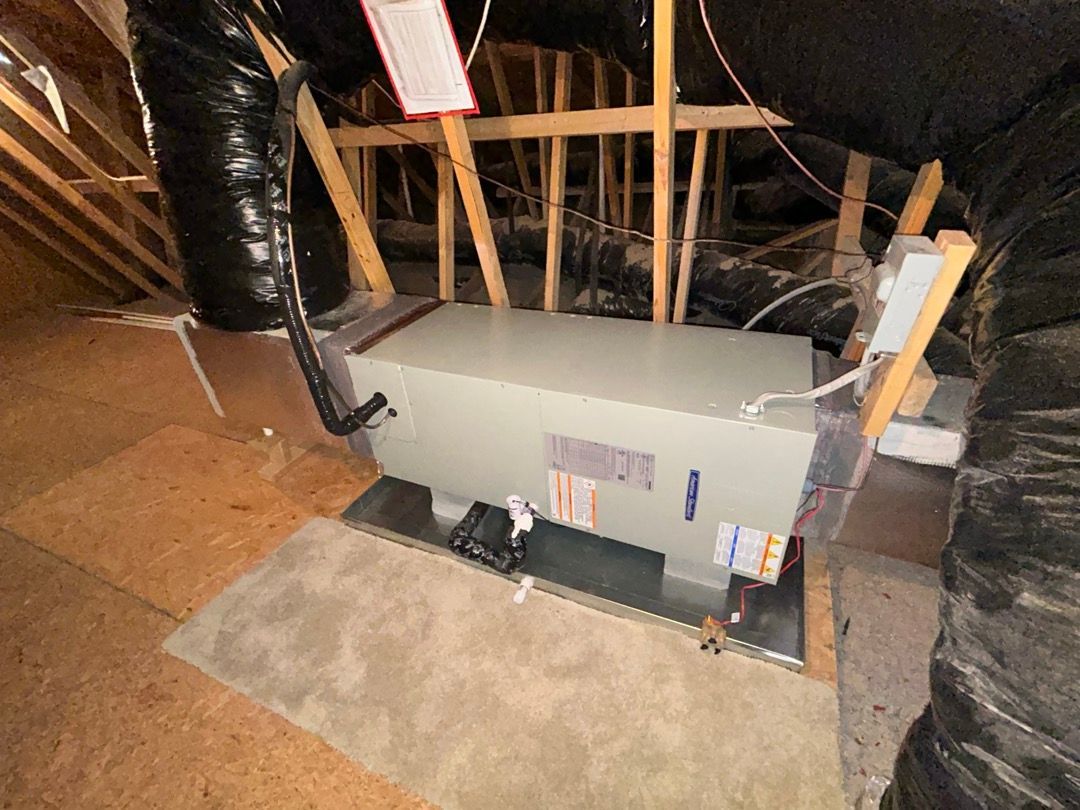
- Condensate Drain Inspection: Pour a cup of water into the indoor drain pan to ensure the line is clear of winter dust and debris.
- Filter Replacement: Start the season with a fresh MERV 8 or higher filter to protect the indoor coil from "Dirty Sock Syndrome."
- Register Audit: Ensure all supply vents and return grilles are open and unobstructed by furniture or curtains.
- Visual Electrical Check: Inspect the outdoor whip and disconnect for any signs of chewing by local wildlife during the winter months.
Switchover Readiness Audit
| System Factor | Your Current Situation | What That Usually Means |
|---|---|---|
| Outdoor Clearance | High grass or debris touching the unit | Risk of high-pressure switch trips and compressor overheating |
| Air Filter Age | Last changed in December | Reduced airflow that can lead to indoor coil icing |
| Thermostat Battery | 'Low Battery' indicator visible | Potential for erratic system cycling or complete loss of communication |
The Proper Thermostat Sequence
When you are ready to test the cooling, do not set the thermostat to a drastically low temperature immediately. Instead, set it to "Cool" and "Auto" with a target temperature only 2 or 3 degrees below the current room temperature. This allows you to verify that the contactor pulls in and the fan starts without overloading the system. Listen for any unusual grinding or clicking sounds from the outdoor unit, which could indicate a failing capacitor or a fan motor bearing issue. Once the system has run for fifteen minutes, check the air coming from the vents; it should feel consistently cool and crisp. If the air is lukewarm or the system cycles off quickly, shut it down immediately to prevent damage and call for a professional diagnostic.
Frequently Asked Questions
Why is my AC blowing warm air when I first switch it on in Asheboro?
It is normal for the first few minutes of air to be warm as the system clears out the ductwork, but it should turn cold shortly after. If the air remains warm, you may have a refrigerant leak or a failed start component that requires a technical inspection to resolve.
Should I cover my outdoor unit during Asheboro spring storms?
You should never run your air conditioner while it is covered, as this will cause the compressor to burn out almost instantly. While covers are useful for winter storage, they must be completely removed before you attempt to switch the system to cooling mode.
How often should I change my filter during the Asheboro spring?
Because of the high pollen counts in North Carolina, I recommend checking your filter every 30 days during the spring months. A clogged filter restricts the very airflow your system needs to remove humidity and heat from your home effectively.
Taking thirty minutes to check your system today prevents the frustration of a breakdown during the first hot weekend of the year. I'm here to ensure your transition to summer comfort is smooth and efficient.
Sincerely,
Jordan Heating and Air Conditioning
Committed to Honesty & Quality