Spring Storm Power Surges: Protecting Your Liberty HVAC Investment
In central North Carolina, April brings sudden thunderstorms that often lead to localized power surges and brownouts. These electrical fluctuations place immense stress on the sensitive control boards and compressor motors within your air conditioner. To ensure your system remains operational after the clouds clear, you should verify your electrical protections before the next front moves through the Piedmont Triad.
By Jordan Heating and Air
Serving Central North Carolina Since 1928
TL;DR ESTIMATED READING TIME: 2 MIN
This post highlights the risks that spring storms pose to HVAC electronics in Liberty and how to mitigate them. It applies to homeowners with modern high-efficiency systems containing sensitive circuit boards. You should install a dedicated HVAC surge protector to avoid expensive out-of-pocket repairs.
The Invisible Threat to Modern Electronics
Modern HVAC systems are significantly more efficient than those built a decade ago, but their reliance on complex circuit boards makes them more vulnerable to electrical spikes. You can check our 24/7 Emergency Service page to see how we handle storm-related outages. A single nearby lightning strike or a utility company grid reset can send a high-voltage pulse through your line, instantly frying the communication chips in your thermostat or the inverter board in your outdoor unit. If your system fails to start after a storm, it is often due to a blown internal fuse or a damaged capacitor. For rapid diagnostic help, you can Contact Us to have a technician test your system’s electrical integrity.
Storm Readiness Checklist
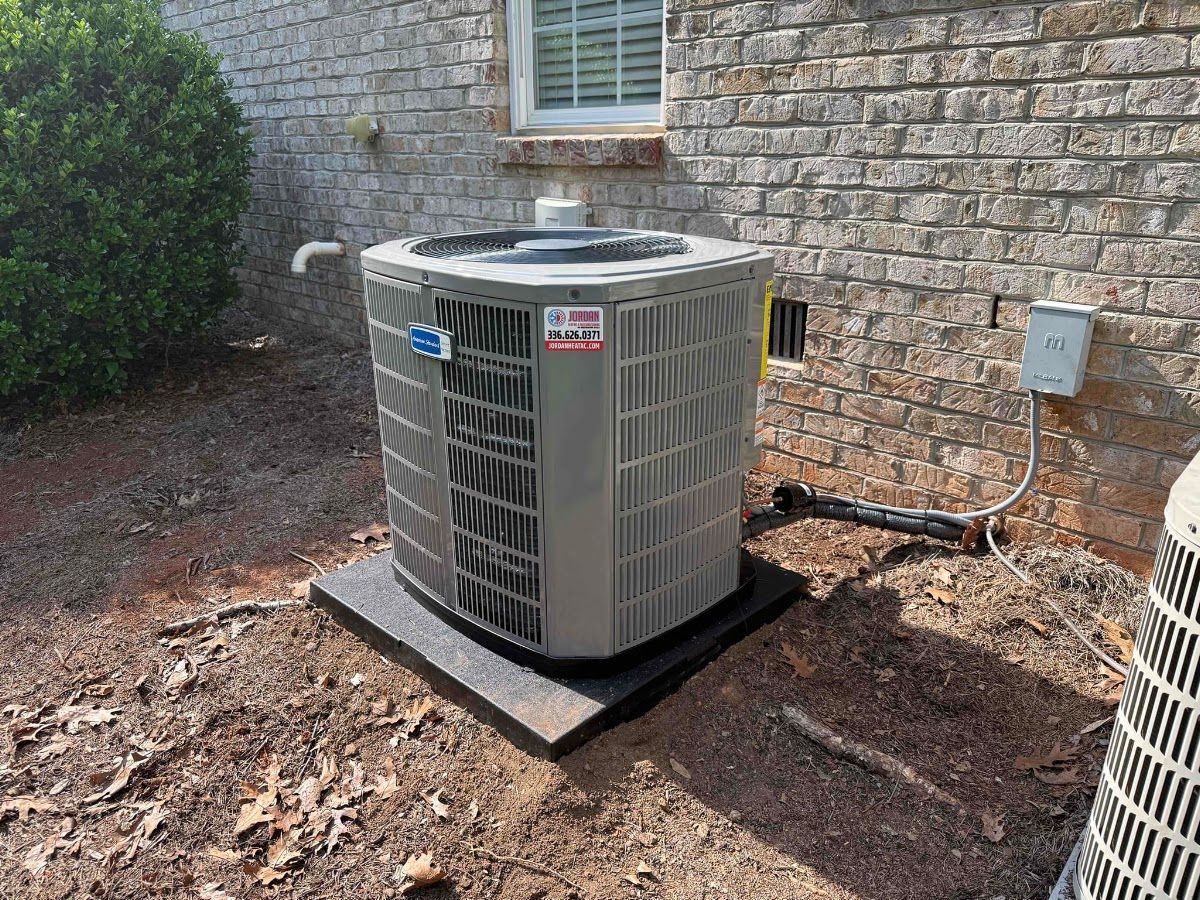
- Dedicated Surge Protection: Install a compressor-rated surge protector directly at the outdoor disconnect box to divert excess voltage.
- Firmware and Settings: Verify that your smart thermostat has rebooted correctly and hasn't reverted to "Emergency Heat" mode after a power loss.
- Debris Inspection: After high winds, check that branches or pine needles haven't entered the top of the fan shroud, which can lead to a locked rotor.
- Breaker Reset Protocol: If the system is unresponsive, check your main panel; a tripped breaker is a safety feature designed to protect the motor.
Post-Storm Diagnostic Audit
| System Factor | Your Current Situation | What That Usually Means |
|---|---|---|
| Thermostat Display | Blank or 'No Signal' | Potential low-voltage fuse blow or transformer failure |
| Outdoor Unit Sound | Humming but fan is not spinning | Likely a failed start capacitor due to a power spike |
| Indoor Airflow | Blower runs but air isn't cold | Possible communication error between indoor and outdoor boards |
Understanding the Surge Protection Workflow
A whole-home surge protector is a great first line of defense, but it often reacts too slowly to protect the specific high-amperage components of an air conditioner. We recommend a secondary, "point-of-use" protector installed directly at the unit. The technical workflow of these devices is reactive: when the device senses a voltage spike exceeding 600 volts, it instantly shunts that energy to the ground wire in less than a nanosecond. This keeps the voltage reaching your compressor within a safe operating range. Without this protection, a surge can "pitting" the contacts in your contactor or weaken the motor windings, leading to a premature failure that may not be covered by standard manufacturer warranties.
Frequently Asked Questions
Does my standard homeowners insurance cover HVAC surge damage?
Many policies in Liberty require proof of a professional surge protection device to cover claims related to electrical storm damage. Installing a dedicated HVAC surge protector not only protects your hardware but also provides the documentation often needed for insurance compliance.
What should I do if my AC won't turn on after a Liberty storm?
First, check your home's main electrical panel for a tripped breaker, then wait five minutes before attempting a system reset. If the system still fails to start, a technician needs to inspect the internal control boards for signs of electrical arcing or fuse failure.
Can a brownout damage my air conditioner as much as a surge?
Low voltage during a Liberty brownout forces your compressor motor to draw excessive amperage, which can lead to overheating and motor burnout. High-quality surge protectors often include "under-voltage" protection that safely shuts the system down until stable power is restored to your home.
Nature is unpredictable, but your home comfort shouldn't be. Taking a small step to protect your electrical components now can save you thousands in avoidable replacement costs later this spring.
Sincerely,
Jordan Heating and Air Conditioning
Committed to Honesty & Quality