IAQ Anchor: The Most Critical AC Maintenance Task
The Thermodynamic Anchor: Why Simple Filter Swaps Prevent Total AC Collapse
By Jordan Heating and Air | Serving Central North Carolina Since 1928
SUBJECT: Airflow Volume Calibration, Static Resistance & Compressor Protection Protocols
LOG DATE: 2026-07-24
An air filter is the absolute volumetric anchor of your home’s central heating and cooling loop. Neglecting this basic component introduces a severe restriction that blocks system breathing, spikes energy waste, and risks a total system breakdown.
Clogged air filters restrict vital systemic airflow metrics, raising your electric bills and running the risk of frozen indoor components. Adhering to a strict replacement schedule during high-demand summer weeks keeps your system balanced and prevents unexpected compressor failures. Check out our step-by-step Maintenance Guide index for complete system upkeep instructions, or look through our structural Indoor Air Quality diagnostic protocols.
The Mechanics of Airflow Starvation
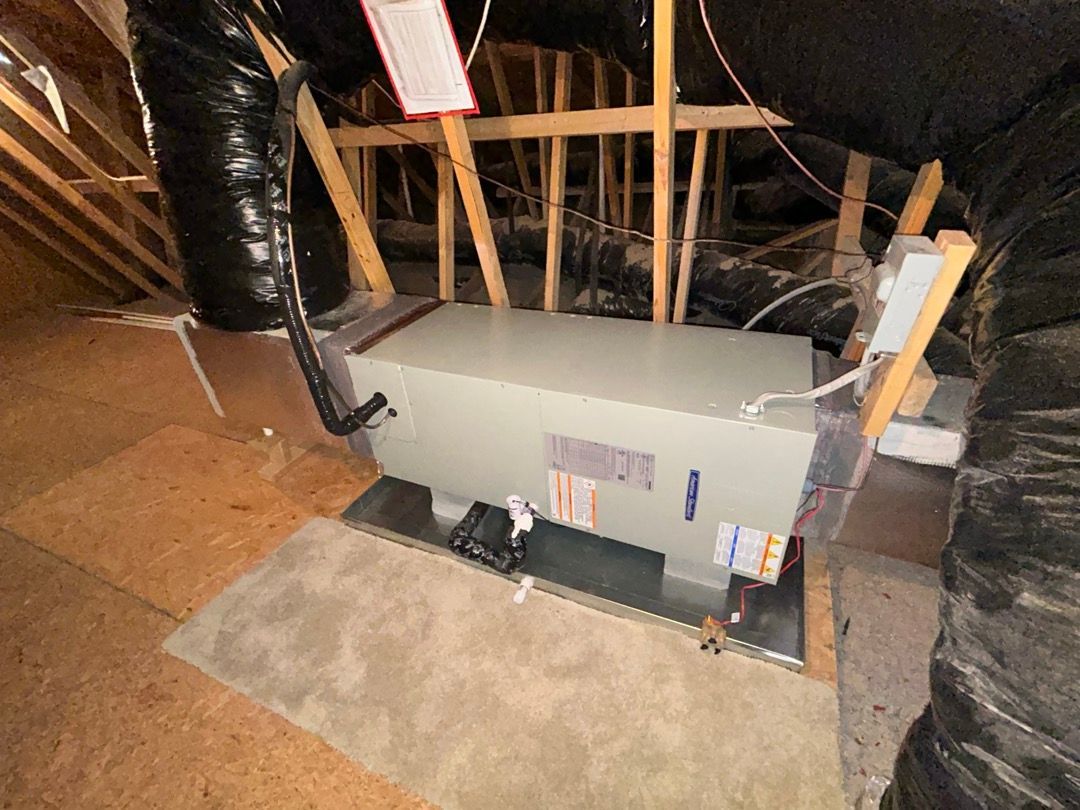
Your central air conditioning system operates under strict fluid dynamic requirements. To maintain a stable cooling cycle, the indoor air handler demands a consistent volume of return air—precisely 400 Cubic Feet per Minute ($CFM$) for every ton of cooling capacity your property requires. When your system is running, the blower motor pulls this massive volume of air from your rooms, drawing it through your filter channels before pushing it across your cold indoor coils. However, as the filter media collects everyday skin scales, pet hair, and fine clay dust, the spaces between the fibers shrink. This accumulation creates a heavy restriction to airflow. Starved of the warm air needed to keep it balanced, your coil's temperature drops below freezing, turning ambient humidity into ice and blocking your home's air paths. Protecting your system requires clean air pathways to ensure your internal components perform efficiently.
The Destruction Timeline of a Neglected Filter
- The Static Load Spike: As dust crusts over the filter surface, your blower motor must fight extra resistance to pull air, causing its running temperature to climb and wasting electricity.
- The Evaporator Freeze: Restricted airflow causes the refrigerant inside your coil to remain below freezing, wrapping the entire indoor metal assembly in a thick block of ice that cuts off all cooling.
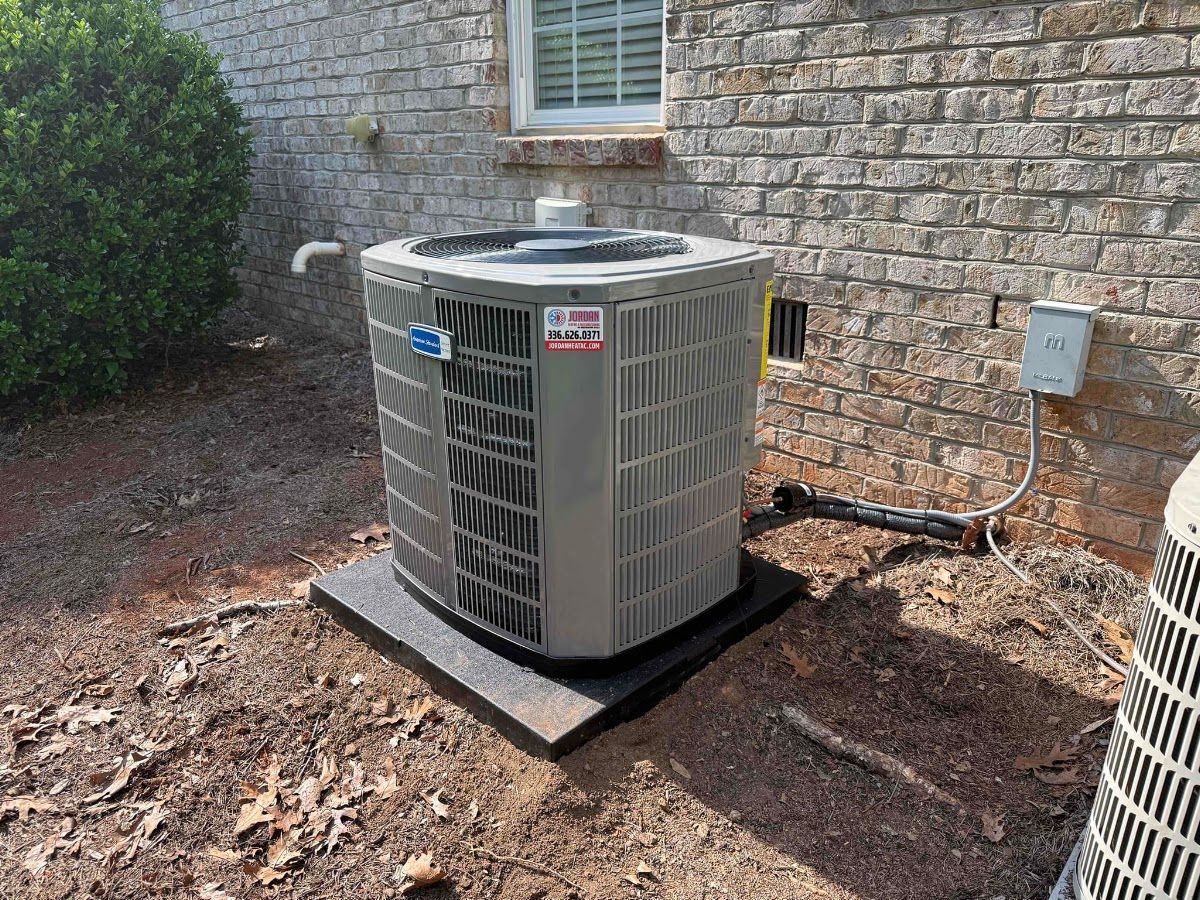
- Liquid Slugging Breakdowns: Because the starved coil can't evaporate the refrigerant gas, raw liquid leaks back down your lines, hitting your outdoor compressor pistons and causing a severe system failure.
Filter Maintenance Lifecycle Matrix
| Filter Service Window | Internal Fabric Condition | System Operational Risk |
|---|---|---|
| 0 – 30 Days (Pristine Flow) | Open, clean fiber spacing; uninhibited system breathing. | None. Optimized energy use and peak factory efficiency. |
| 30 – 60 Days (Saturated State) | Fibers coated in a dense gray layer of dust and hair matrix. | Moderate; static resistance rises, increasing fan power draw. |
| 90+ Days (Choked Barrier) | Complete surface blockage; cardboard frames may twist or bow. | CRITICAL. Imminent coil freezing and potential compressor burnout. |
The Summer Saturation Threshold
Many homeowners rely on generic retail packaging that claims a filter can safely last for 90 days. While that timeline might apply during mild spring or fall weather, it can cause problems during a hot North Carolina summer. In July, high outdoor temperatures force your central cooling system to operate for up to 14 hours a day. This means your air handler draws thousands of cubic feet of air through the filter media continuously, packing it with fine debris far faster than normal. Within 4 to 6 weeks, a standard 1-inch pleated filter often hits its maximum dust-holding capacity. If left unchanged, the high suction pressure from the fan motor will twist the cardboard frame, opening up gaps that allow dirty air to bypass the filter completely and blanket your indoor coils with mud. For 98 years, Jordan Heating & Air has provided straightforward mechanical advice across the Piedmont Triad. We balance your system's air volume to ensure reliable performance. Click here to consult our maintenance specialists and see how nearly a century of local craftsmanship can keep your system running cleanly and efficiently.
Frequently Asked Questions
What happens mechanically if I forget to change my air filter?
A clogged air filter restricts your system's natural breathing path. This drop in airflow causes your indoor evaporator coil to drop below freezing, turning condensation into ice, cutting off all indoor cooling, and potentially forcing liquid refrigerant back into your compressor to destroy the pump pistons.
How often should I realistically change a 1-inch pleated filter in the summer?
During peak summer operations, replace your 1-inch filters every 30 to 45 days. The long, continuous cycles required to handle afternoon heat will pack the filter fibers with household dust and pollen significantly faster than during mild seasons.
Why is my new air filter bowing or bending inside the return vent?
Filter bowing means your system's fan is pulling against a heavy restriction. This occurs when the filter media is completely clogged with dirt, or if you've installed an overly dense filter weave that restricts natural airflow, creating a high pressure drop that can strain your blower motor.