Gas Furnace vs. Heat Pump: Freeze Performance in Liberty

By Jordan Heating and Air | Serving Central North Carolina Since 1928
TL;DR | ESTIMATED READING TIME: 2 MIN
The record-low temperatures in Liberty tested every type of heating system. Gas furnaces offered the "hottest" air, but heat pumps proved their resilience—provided they didn't rely solely on backup strips.
Lessons from the Liberty Snow Storm
The recent "deep freeze" provided a perfect case study for the ongoing debate: heat pump vs gas furnace. In Liberty and surrounding rural areas, the choice of fuel source significantly impacted both indoor comfort levels and monthly operating costs. Systems that were older or undersized struggled across the board, but the performance gap between gas and electric heat was more evident than ever when the mercury dropped below 20 degrees.
Performance Breakdown by System Type
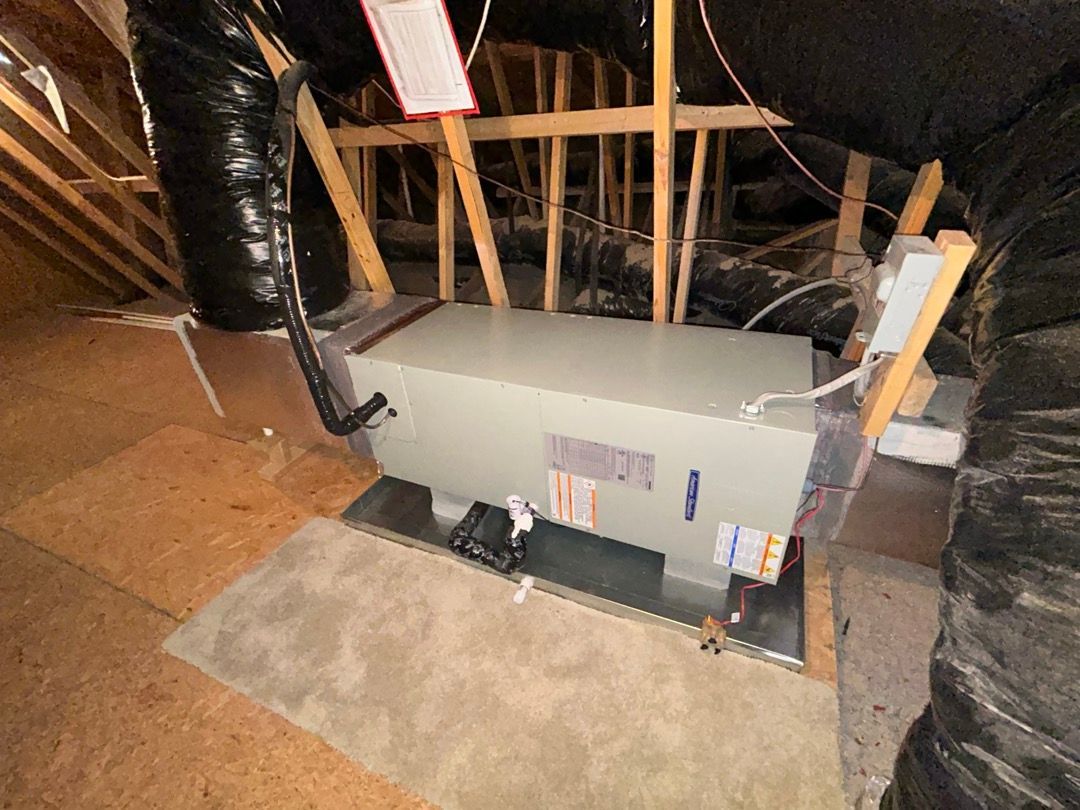
Gas Furnace Reliability: Natural gas or propane furnaces deliver air at 120°F-140°F regardless of the outdoor temperature, making them the gold standard for "feeling" warm quickly.
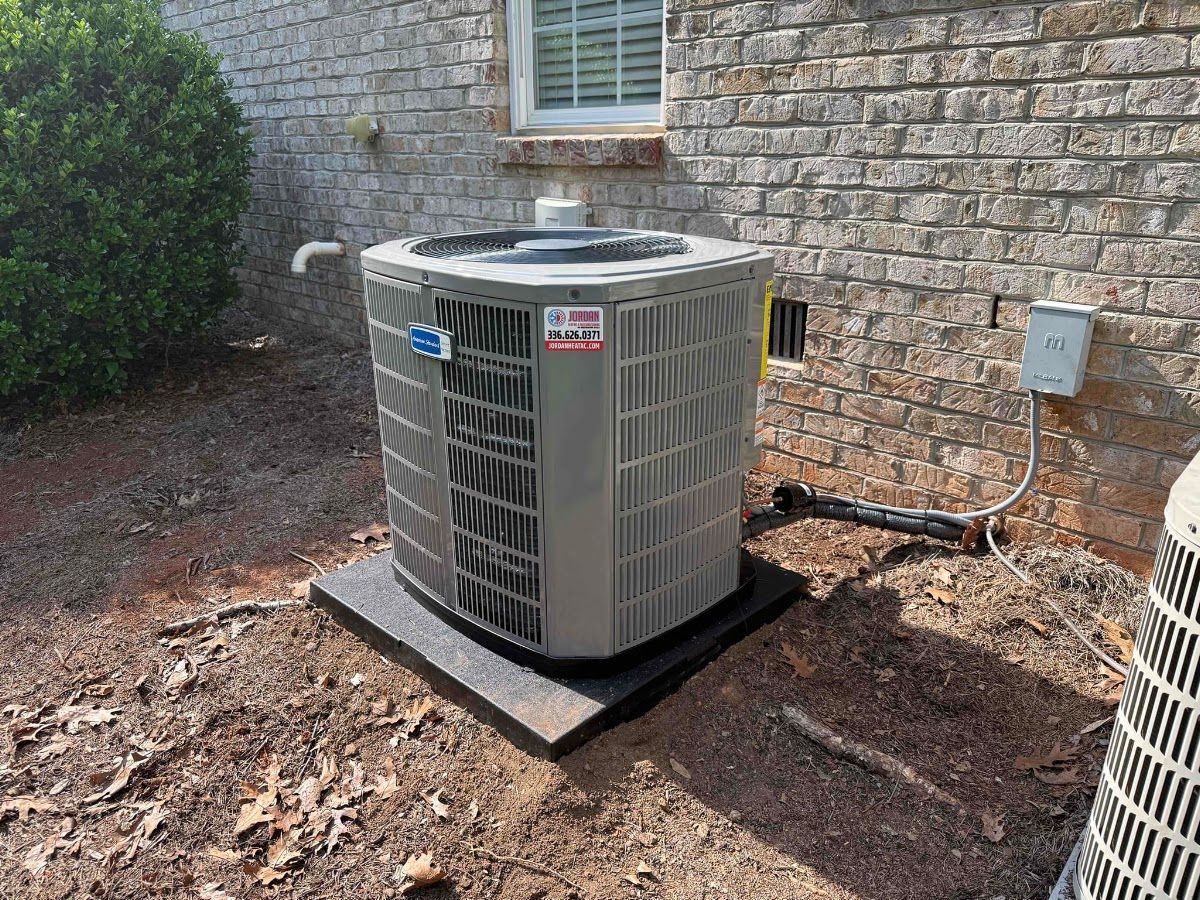
Heat Pump Efficiency: While highly efficient above 35°F, air-source heat pumps in Liberty had to work much harder, often triggering auxiliary heat to maintain 68°F indoors.
Fuel Availability: During the storm, homes in Liberty relying on propane had to monitor tank levels, while electric heat pump users faced the risk of power-grid-related outages.
Operational Costs: Modern dual-fuel systems (hybrid) performed best by using the heat pump during the day and switching to gas during the coldest night hours.
INTERACTIVE SELF-AUDIT BLOCK
| System Factor | Your Current Situation | What That Usually Means |
|---|---|---|
| Vent Temperature | Air feels "warm" but not "hot" (85°F-95°F) | Typical for heat pump operation in cold weather |
| Recovery Speed | Takes 2+ hours to raise temp 2 degrees | System is struggling with the thermal load |
| Operational Sound | Loud humming or vibration from outdoors | Compressor is under high pressure/stress |
| Fuel Source | Propane or Natural Gas | Gas furnace providing consistent BTU output |
Choosing Your Next System
If your current system left you shivering this month, it might be time for a new system quote. For many Liberty homeowners, upgrading to a high-efficiency gas furnace provides peace of mind during extreme weather. However, for those looking to reduce their carbon footprint and take advantage of local rebates, a cold-climate heat pump installation can now handle Triad winters much more effectively than the models of a decade ago.
Frequently Asked Questions
Did heat pumps fail during the North Carolina ice storm?
Most heat pumps did not "fail," but many struggled to keep up without relying on expensive backup heat. In Liberty, systems that were properly sized and maintained continued to function, though they ran for much longer cycles than usual.
Is a gas furnace better for Asheboro winters?
A gas furnace is generally better for providing rapid, high-temperature heat when it is below freezing. However, a hybrid "dual-fuel" system is often the best choice for the Triad, combining gas power with heat pump efficiency.
What is the lifespan of a heat pump vs. a gas furnace?
In our local service area, gas furnaces typically last 15-20 years because they only run during the winter. Heat pumps provide both heating and cooling, meaning they work year-round and usually have a lifespan of 12-15 years in Liberty.
Whether you prefer the steady heat of a furnace or the year-round efficiency of a heat pump, our team is here to help you make the right choice for your home and your budget.
Sincerely,
Jordan Heating and Air Conditioning
Committed to Honesty & Quality