Emergency vs. Regular Heat: Asheboro Guide

By Jordan Heating and Air | Serving Central North Carolina Since 1928
TL;DR | ESTIMATED READING TIME: 2 MIN
Use "Emergency Heat" only if your outdoor unit is physically damaged by ice or failing to heat. It keeps you warm but will spike your electric bill if left on during normal operation.
The Post-Ice Storm Thermostat Panic
If you are staring at your thermostat in Asheboro and wondering why the "Aux" or "Emergency Heat" light is glowing after the recent ice storm, you aren't alone. Many homeowners turn to our Heating Repair Page when they notice their systems struggling to keep up with sub-freezing North Carolina temperatures. While regular heat uses your efficient heat pump, emergency heat is a backup measure designed for equipment failure, not just cold weather.
Understanding the Difference
Heat Pump Operation: In regular mode, your system pulls heat from the outdoor air. Even in cold weather, this is the most cost-effective way to warm your home.
Auxiliary Heat: This kicks in automatically when the outdoor temp is too low for the heat pump to keep up. You don't need to flip a switch for this; the system handles it.
Emergency Heat (Manual): This is a setting you choose. It tells the heat pump to stay off and forces the electric heat strips to do 100% of the work.
Interactive Self-Audit: Should I Switch to Emergency Heat?
| System Factor | Your Current Situation | What That Usually Means |
|---|---|---|
| Outdoor Unit | Encased in thick ice or making grinding noises | Switch to EM Heat and call for service |
| Indoor Temp | Thermostat is set to 68 but the house is 60 | System is failing; use EM Heat temporarily |
| Airflow | Cold air blowing from vents in "Heat" mode | Potential compressor or refrigerant issue |
Making the Call: Repair vs. Recovery
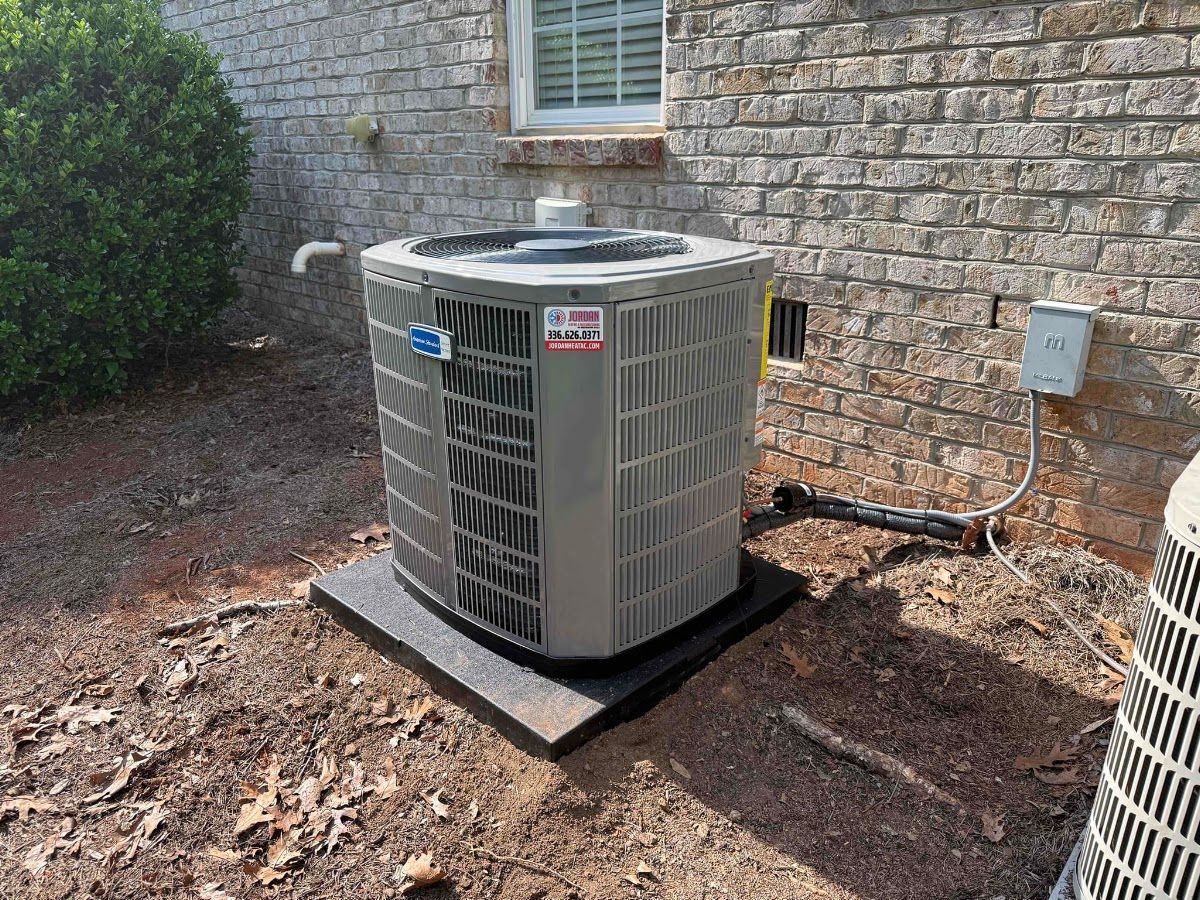
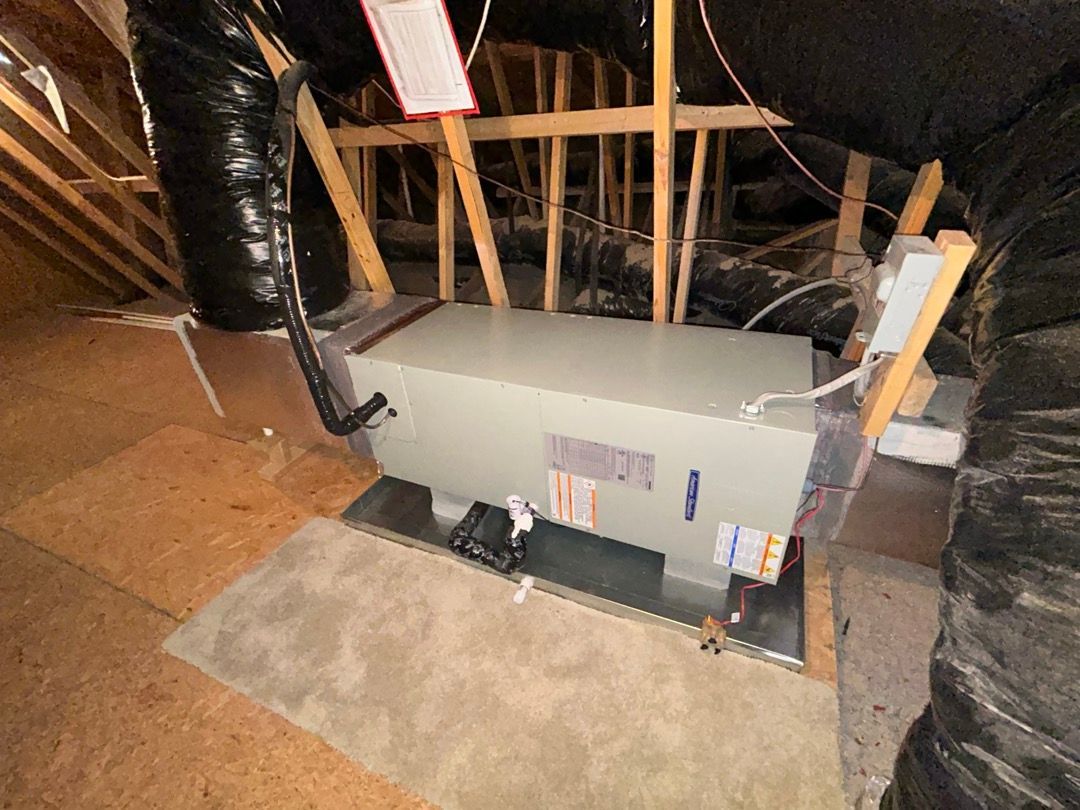
The biggest tradeoff with emergency heat is the cost. In Randleman or Seagrove, running electric heat strips for a full week can triple your daily heating costs. The heat strips are essentially a giant toaster inside your air handler. They are 100% efficient at turning electricity into heat, but they lack the 300% efficiency of a standard heat pump cycle.
If your outdoor unit is clear of ice but the "Aux" light stays on for more than 30 minutes, your system might be stuck in a defrost cycle or low on refrigerant. Our uniformed technicians check the heat exchange cycle and ensure the sequencer is correctly staging your heat strips so you aren't paying for "Emergency" prices when "Regular" heat should be working.
Frequently Asked Questions
Does emergency heat use more electricity?
Yes. Emergency heat relies on electric resistance strips which consume significantly more kilowatts than a heat pump. In Asheboro, NC, relying on this setting for an extended period will result in a much higher utility bill compared to your standard heat pump operation.
Why is my auxiliary heat light on?
The auxiliary light indicates the heat pump needs a "boost" from the electric strips to reach your set temperature. This is normal during extreme North Carolina cold snaps. Unlike emergency heat, auxiliary heat turns itself off once the house reaches the desired temperature.
When should I manually turn on emergency heat?
You should only switch to emergency heat if your outdoor unit is disabled by ice, a fallen limb, or a mechanical failure. If your home is staying warm in regular mode, leave the setting alone to avoid unnecessary energy expenses.
If your system hasn't recovered from the ice storm or you're worried about your energy usage, we can help. Our team provides honest assessments of your heating system to ensure you stay warm without the "sticker shock" next month.
Sincerely,
Jordan Heating and Air Conditioning
Committed to Honesty & Quality