Emergency HVAC: Fixing Airflow Restrictions in Asheboro, NC
Volumetric Restrictions: The Hidden Mechanical Cause of AC Cooling Failure
By Jordan Heating and Air | Serving Central North Carolina Since 1928
SUBJECT: Static Pressure Overload, Evaporator Coil Freezing & Pre-Dispatch Triage
LOG DATE: 2026-08-07
If your central cooling system is humming continuously but room temperatures keep rising, the issue is often not a broken compressor or a refrigerant leak. In many cases, it is a severe physical restriction choking your system's air paths.
Central air conditioners require unrestricted airflow ($400\text{ CFM per ton}$) to transfer thermal energy out of your living space. Severe airflow restrictions cause static pressure to surge and drop indoor coil temperatures below $32^\circ\text{F}$, turning ambient humidity into a solid block of ice that cuts off air movement entirely. Before booking an emergency dispatch, verify filter saturation, vent openings, and outdoor coil clearances. Explore our complete 24/7 priority Emergency Services protocols, or access our immediate Emergency HVAC response network for rapid technical help.
The Thermodynamics of Static Pressure Overload
A central cooling system is fundamentally an air displacement loop. The indoor blower fan must pull return air from your living spaces, pass it across a cold copper-and-aluminum evaporator coil to drop heat and humidity, and distribute that conditioned air back through supply registers. To maintain balance, standard residential systems demand approximately 400 Cubic Feet per Minute ($\text{CFM}$) of airflow for every ton of cooling capacity. When a filter becomes choked with pet dander and fine dust, static pressure inside the return plenum spikes above safe design limits. Deprived of the warm air required to boil liquid refrigerant into gas, coil temperatures plunge below freezing ($32^\circ\text{F}$). Moisture condensing on the aluminum fins freezes into ice, growing until it completely seals the air gaps between the fins. Once this ice barrier forms, air stops moving into your rooms altogether, requiring a full system shutdown to thaw before an Emergency HVAC technician can inspect the system.
The 3-Step Pre-Dispatch Inspection Protocol
- Inspect Filter Saturation: Pull your intake filter and hold it up to a light source. If no light passes through the media, replace it immediately with a standard, low-restriction pleated filter.
- Audit Supply Register Dampers: Ensure at least 90% of supply vents across all rooms are fully open and uninhibited by furniture, rugs, or drapes.
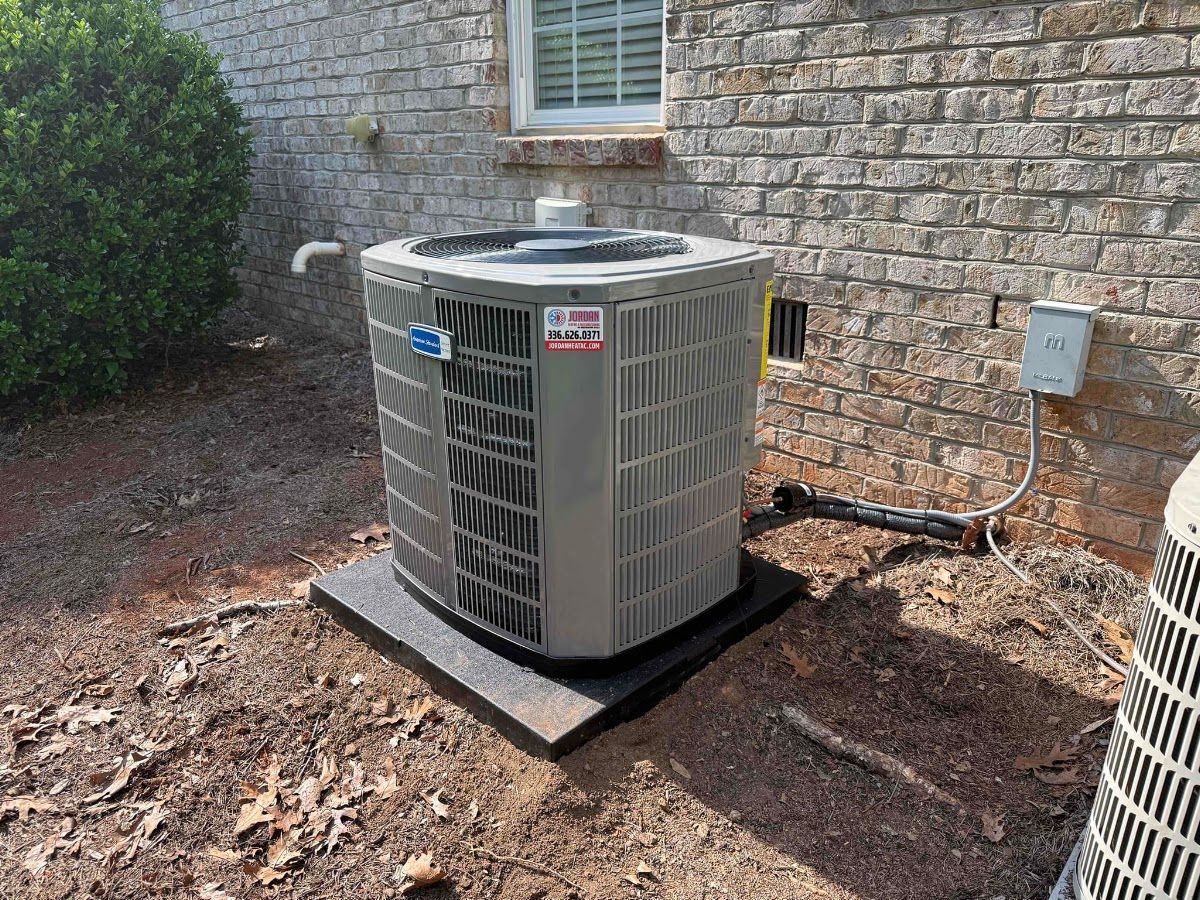
- Check Outdoor Coil Clearance: Verify that grass clippings, leaf litter, or climbing weeds aren't plastered against the aluminum fins of your outdoor condenser cabinet.
Airflow Restriction vs. Mechanical Symptom Matrix
| Restriction Point | Fluid Dynamic Consequence | Immediate Remediation Action |
|---|---|---|
| Saturated Return Filter | Static pressure spikes; airflow drops below $300\text{ CFM/ton}$; coil freezes. | Remove filter; switch thermostat fan to ON to thaw coil; install fresh filter. |
| Closed Supply Vents (>15%) | High supply plenum backpressure strains the motor and reduces heat absorption. | Re-open all closed room registers to restore design static pressure balance. |
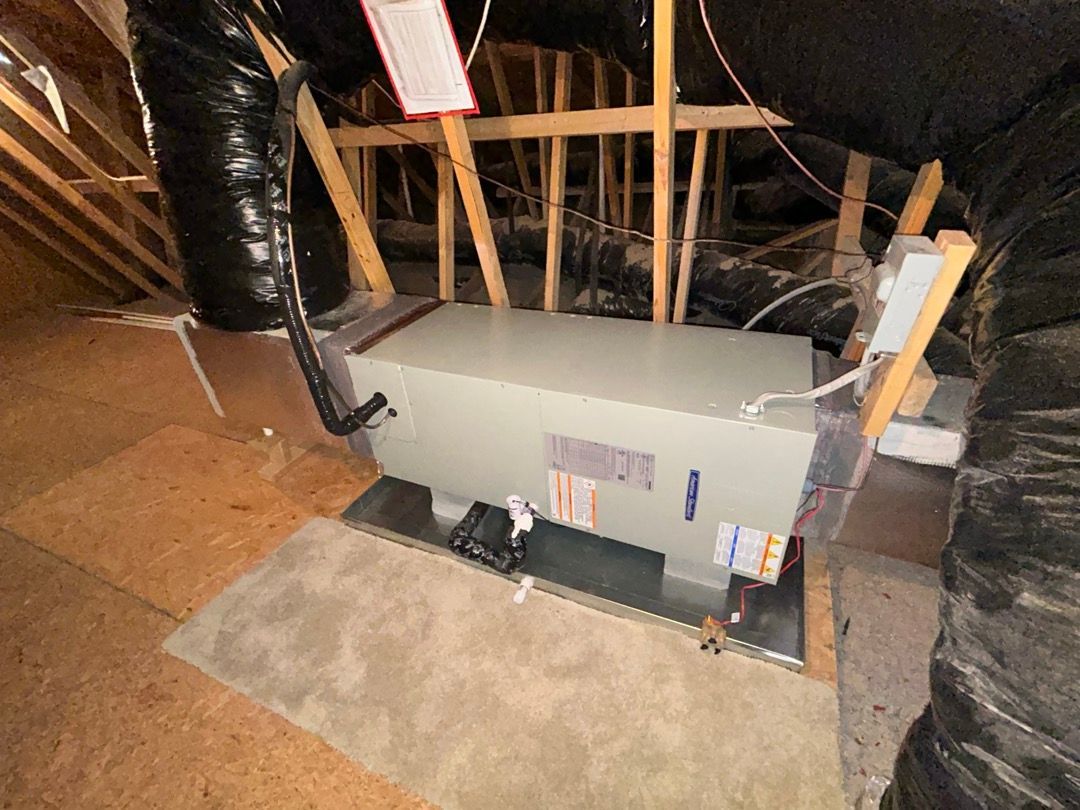
| Crushed Attic Flex Duct | Physical collapse starves return air paths, causing severe velocity drop. | Inspect attic run; re-hang or re-strap sagging duct lines cleanly. |
How to Thaw a Frozen Cooling System Safely
If you discover ice forming along your copper refrigerant lines or covering your indoor air handler cabinet, calling for an emergency service visit while the unit is still frozen will delay your repair. A technician cannot measure refrigerant pressure loops or verify electrical performance on a solid block of ice. To safely thaw your system, immediately turn your thermostat cooling setting to OFF, but switch the FAN setting from AUTO to ON. This keeps the indoor blower running, pulling warm room air across the frozen metal fins to thaw the ice without running the compressor. Place towels around the base of your indoor unit to catch melting water as it drains into the drip pan. Once the coil is clear and a clean filter is installed, restart the system. If it freezes again, a deeper mechanical issue—such as a failing expansion valve or a refrigerant leak—requires professional diagnosis. Since 1928, Jordan Heating & Air has provided straightforward, honest guidance across Randolph and Guilford counties. Click here to consult our technical support team and discover how nearly a century of practical experience protects your home's air quality and comfort.
Frequently Asked Questions
Why is my AC running non-stop but blowing warm air from the vents?
The most common cause is severe airflow restriction. A clogged air filter or blocked return grille starves the indoor evaporator coil of heat, causing it to freeze into a solid block of ice that completely blocks cold air from circulating into your home.
What should I do if my indoor AC coil is frozen solid?
Turn your thermostat setting from COOL to OFF immediately, and switch the FAN setting from AUTO to ON. This stops refrigerant flow while running the blower to melt the ice block. Do not turn the cooling back on until the ice has completely melted and a fresh air filter is installed.
Can closing supply vents in unused rooms save money or damage my AC?
Closing supply vents damages your system. Central heat pumps and air conditioners require uninhibited airflow across all vents to maintain design static pressure. Closing more than 10% to 15% of your vents causes static pressure to spike, straining the motor and risking coil freeze-ups.