Clearing Your AC Drain Line to Manage Summer Moisture
A clogged condensate drain line is a primary cause of high indoor humidity and water damage, but it is often a problem you can solve yourself with a few basic tools.
By Jordan Heating and Air
Serving Central North Carolina Since 1928
TL;DR ESTIMATED READING TIME: 2 Min
Your AC removes gallons of water daily; if the drain line clogs with algae or debris, that water backs up into your home. You can usually clear this by using a wet-dry vac on the outdoor drain pipe or pouring vinegar down the indoor access T-junction. For long-term prevention, consider our professional Maintenance Plans.
The Hidden Humidity Culprit in Liberty Homes
When performing routine hvac maintenance in Liberty, NC, we frequently find that "sticky" indoor air is caused by standing water in the drain pan. Your air conditioner's evaporator coil pulls moisture from the air, which then drips into a pan and exits through a PVC pipe. Over time, algae and "sludge" can block this flow. When the water backs up, it creates a localized humidity spike right in your ductwork, or worse, triggers a safety switch that shuts your entire system down. Managing this moisture is a critical part of summer home care. If you aren't comfortable handling this yourself, you can always Schedule Service to have a technician clear the line and treat the pan professionally.
Step-by-Step: How to Clear Your Condensate Line
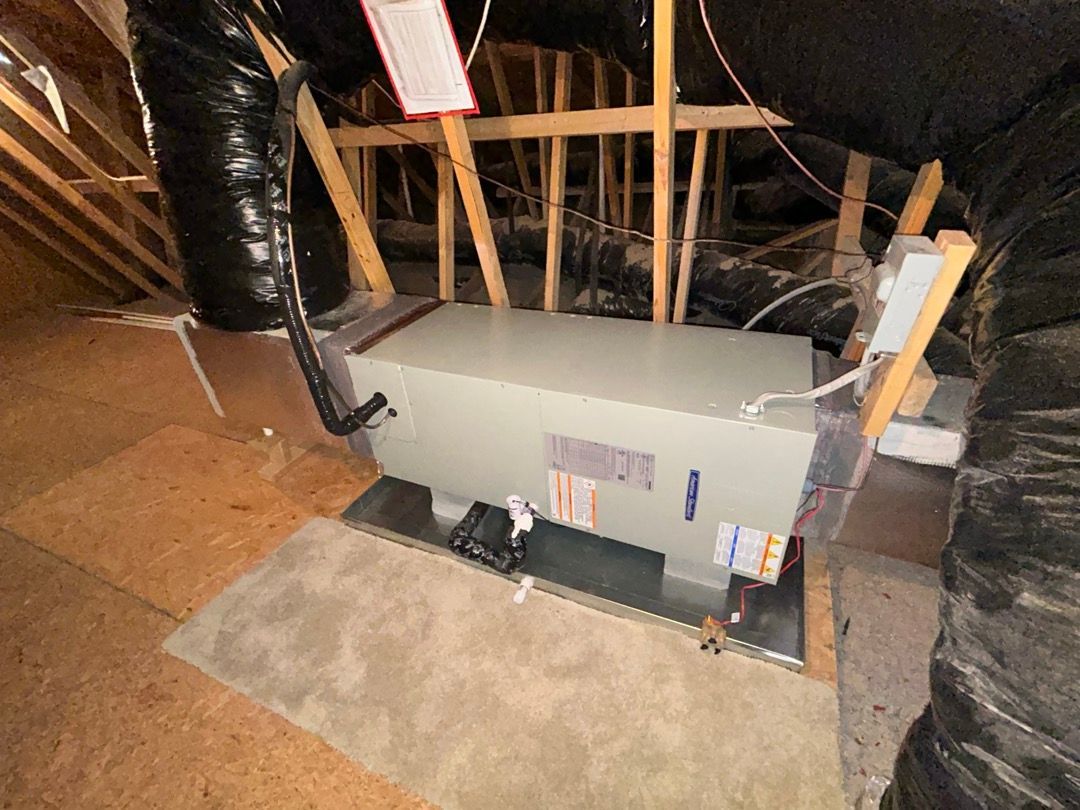
- Locate the Access Point: Find the PVC "T-junction" pipe near your indoor air handler. It usually has a removable cap.
- The Vinegar Flush: Pour about ¼ cup of distilled white vinegar into the line. This kills algae and prevents future buildup.
- The Vacuum Method: Go outside to where the PVC pipe exits your foundation. Use a wet-dry vacuum to create a tight seal and suck out any sludge for about 30 seconds.
- Check the Safety Switch: If your AC won't turn on, ensure the "float switch" in the drain pan isn't pushed up by standing water.
- Jordan Service Standard: Our technicians use high-pressure CO2 to blow out lines during regular tune-ups, ensuring a totally clear path.
INTERACTIVE SELF-AUDIT
| System Factor | Your Current Situation | What That Usually Means |
|---|---|---|
| Drain Pan Water | You see standing water in the emergency pan under the unit. | Active Clog. The primary drain is blocked, and the system is at risk of leaking into your ceiling or floor. |
| Indoor Humidity | The air feels "heavy" or damp even though the temperature is cool. | Evaporator Saturation. Water isn't leaving the system fast enough, re-evaporating into your home's air. |
| Outdoor Pipe | No water is dripping from the white PVC pipe outside while the AC runs. | Full Blockage. On a humid NC day, that pipe should have a steady drip. If it's dry, the water is backing up inside. |
Maintenance vs. Emergency Repair
While a DIY flush is a great "Tech Tip Tuesday" project, it doesn't replace a full system evaluation. A recurring clog might indicate that your evaporator coil is dirty, shedding debris into the pan, or that the drain line wasn't pitched correctly during the original installation. We focus on the "heat exchange cycle"—if the water can't leave, the heat can't be removed efficiently. Regular maintenance ensures your drain lines, coils, and electrical components are all working in harmony to keep your Liberty home dry and cool.
Frequently Asked Questions
Can I use bleach to clear my AC drain line?
We generally recommend distilled white vinegar over bleach. Bleach is highly corrosive and can damage the plastic drain pan or the glue used in your PVC fittings over time. Vinegar is effective at killing algae growth without the risk of damaging your HVAC components in Liberty.
How often should I clear my condensate drain?
For most homes in Central North Carolina, a quick vinegar flush every three months during the cooling season is sufficient. If you live in an area with high dust or humidity, you may need to check it more frequently to prevent the "sludge" that leads to total blockages.
Why did my AC shut off when the drain got clogged?
Most modern systems have a "float switch" installed in the drain line or pan. When water backs up, the float rises and cuts power to the outdoor unit. This is a safety feature designed to prevent water from overflowing and causing expensive damage to your home's structure.
Clearing your drain line is a simple way to take control of your home’s comfort. If you find yourself dealing with constant clogs or just want the peace of mind that comes with a professional eye, we are here to help. Our team provides honest, straightforward maintenance that keeps your system running clear all summer long.
Sincerely,
Jordan Heating and Air Conditioning
Committed to Honesty & Quality