
How to Clear a Clogged Drain Line in Liberty, NC
The Venturi Pull: How to Clear a Suffocating AC Drain Line
By Jordan Heating and Air | Serving Central North Carolina Since 1928
SUBJECT: Condensate Extraction & Float Switch Protection
LOG DATE: 2026-07-03
Your air conditioner is a high-volume dehumidifier, pulling up to 10 gallons of water out of your home daily. When that white PVC pipe chokes on biological slime, your mechanical closet turns into a swimming pool, risking thousands in drywall rot.
A clogged condensate line is the most common cause of sudden mid-summer system blackouts in Central NC. Never attempt to blow air into a clogged line—that packs the sludge tighter. Homeowners can use a wet/dry shop vac to pull blockages out safely from the exterior terminal point. Review our full inventory of DIY Maintenance Tips or request an emergency AC Repair dispatch if your home is flooding.
The Dehumidification Hazard
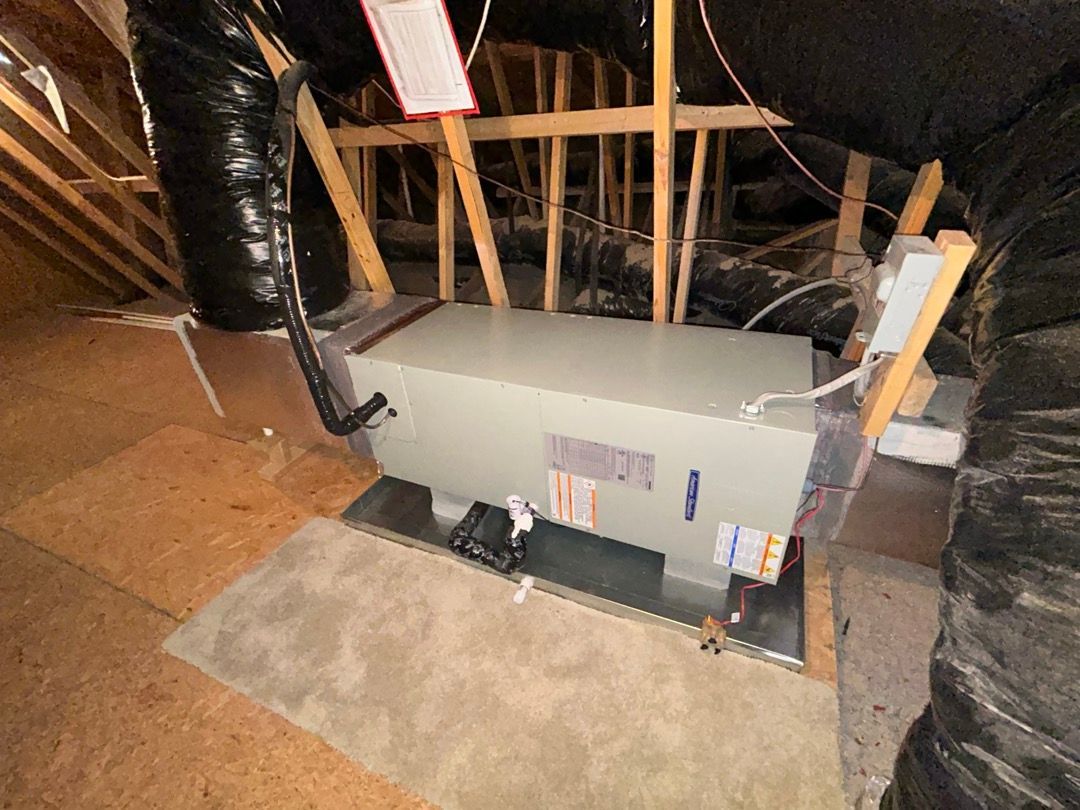
When warm, humid air hits your sub-cooled evaporator coil, the laws of physics force water vapor to drop out of suspension. That water is captured by a plastic drain pan and routed outside through a small PVC line. However, that line also carries fine airborne dust, pet dander, and fungal spores that slipped past your air filter. This combination forms an absolute incubator for bacterial slime. Over months of continuous summer operation, this bio-sludge creates a firm dam, backing up water directly into your home's structural framing. If the line fails completely, you need professional AC Repair intervention to avoid severe drywall damage.
3 Steps to Execute the Wet/Dry Vac Pull
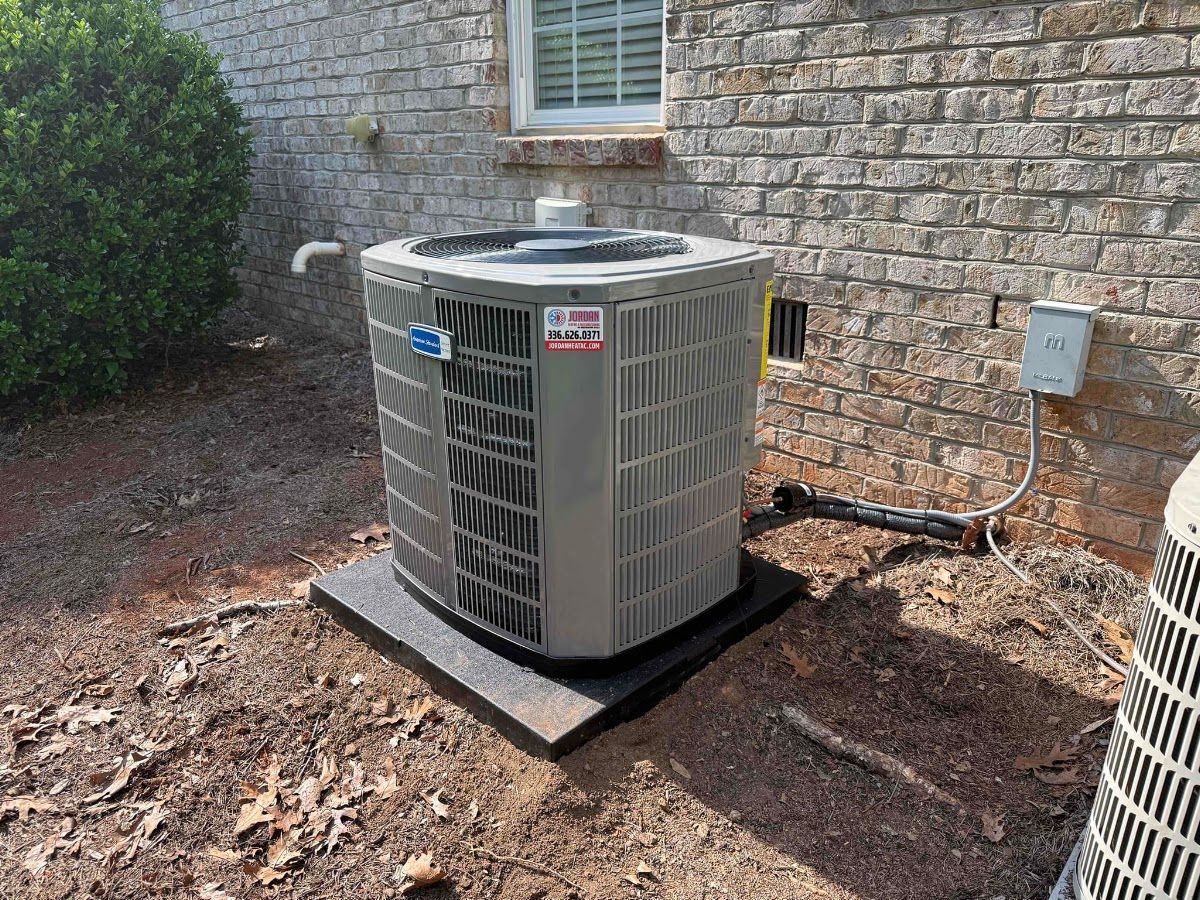
- Locate the Terminal End: Find the white PVC drain pipe where it exits your home’s foundation outside (typically near your outdoor compressor unit).
- Seal the Connection: Wrap a rag around the end of the PVC line and press your wet/dry vacuum hose firmly against it to create a tight, unyielding seal.
- Apply Negative Pressure: Run the shop vac for exactly 30 to 45 seconds. This negative pressure will draw the plug of biological slime directly out of the pipe and clear the line's airway.
Condensate Pan & Drain Safety Scale
| Drainage State | Physical Symptoms | Risk Level |
|---|---|---|
| Clear Flow | Steady dripping outside; completely bone-dry secondary pan inside. | Optimal. No action needed. |
| Partial Clog | Slow drainage; minor standing water or rust lines forming in main pan. | Moderate. Vacuum extraction recommended. |
| Total Blockage | Water overflowing pan; secondary float switch trips, killing system power. | CRITICAL. Imminent structural ceiling damage. |
The Float Switch Blackout
If your thermostat suddenly blanked out or your AC won't engage, a tripped secondary safety float switch is often the prime suspect. These sensors are designed to kill system power entirely the second water rises too high in your drain pan, protecting your ceiling from cave-ins. While a shop vac extraction can clear the downstream pathway, biological blockages inside the internal pan passages may require deep chemical flushes or mechanical clearing. Our teams have protected Liberty homes from water damage since 1928, maintaining the local standard of old-school accountability coupled with modern diagnostics. Stop fighting recurring leaks and let our specialists restore your system’s clear airway today.
Frequently Asked Questions
Why does my AC drain line clog up so often?
Your indoor unit pulls dust and organic particles straight out of the household air. When this debris mixes with the condensation on your wet evaporator coils, it washes down into the drain trap, creating a thick, sticky environment where algae and mold can rapidly multiply.
Will a clogged drain line cause my AC to stop running entirely?
Yes, if your system is equipped with modern code-compliant float switches. The sensor detects rising water levels in the auxiliary pan and cuts low-voltage power to the outdoor compressor to prevent an overflow, leaving your system entirely unresponsive until the line is cleared.
Can I use bleach to clear a clogged condensate drain?
We recommend avoiding harsh chlorine bleach. It can dry out and crack plastic drain pans, eat away at the rubber seals on internal pumps, and degrade PVC glue joints. Pouring a cup of plain distilled white vinegar through the line every 30 days is a far safer, highly effective alternative.